
5 Hacks to Save Money While Studying Abroad: Every Pakistani Student Must Read

Bahar padhna Ja raha hun.
It sounds exciting, right? A new country, a new university, a whole new life. But the moment you start calculating tuition fees, accommodation costs, flight tickets, and daily expenses, the excitement gets mixed with a little panic. Study abroad demands two things at the same time: full focus on your studies and a very careful eye on your wallet.
Pakistani students, in particular, feel this pressure more than most. With the rupee constantly struggling against foreign currencies, every pound, euro, or dollar spent feels heavier. Whether you are heading to the UK, Canada, China, Germany, or Australia, the financial pressure is real, and it starts long before you even board the flight.
But with little care and strategies, you can save hundreds of pounds, Euros, or dollars while Study Abroad. Thousands of Pakistani students have already figured out how to survive and even thrive abroad without burning through their savings in the first few months. Here are 5 tried and tested hacks that students are actually using, not just financial advice you will read and forget.
1. Stop Paying ATM Fees. Open a Local Bank Account on Day One
This is one of the most talked-about money drains that Pakistani students ignore until it is too late. Every time you withdraw cash using your Pakistani bank card abroad, you are paying conversion fees, international transaction fees, and sometimes ATM service charges on top. It adds up faster than you think.
The simple hack is to open a local bank account as soon as you land. In most of the countries, you can open your student-friendly bank accounts with zero monthly fees. In the UK, banks like Monzo and Starling are popular among international students because they offer free accounts with no foreign transaction fees. In Canada, Scotiabank and TD Bank have dedicated student account options.
Once your local account is set up, transfer your money in larger amounts rather than making small, frequent withdrawals. This way, you pay conversion fees once instead of ten times a month.
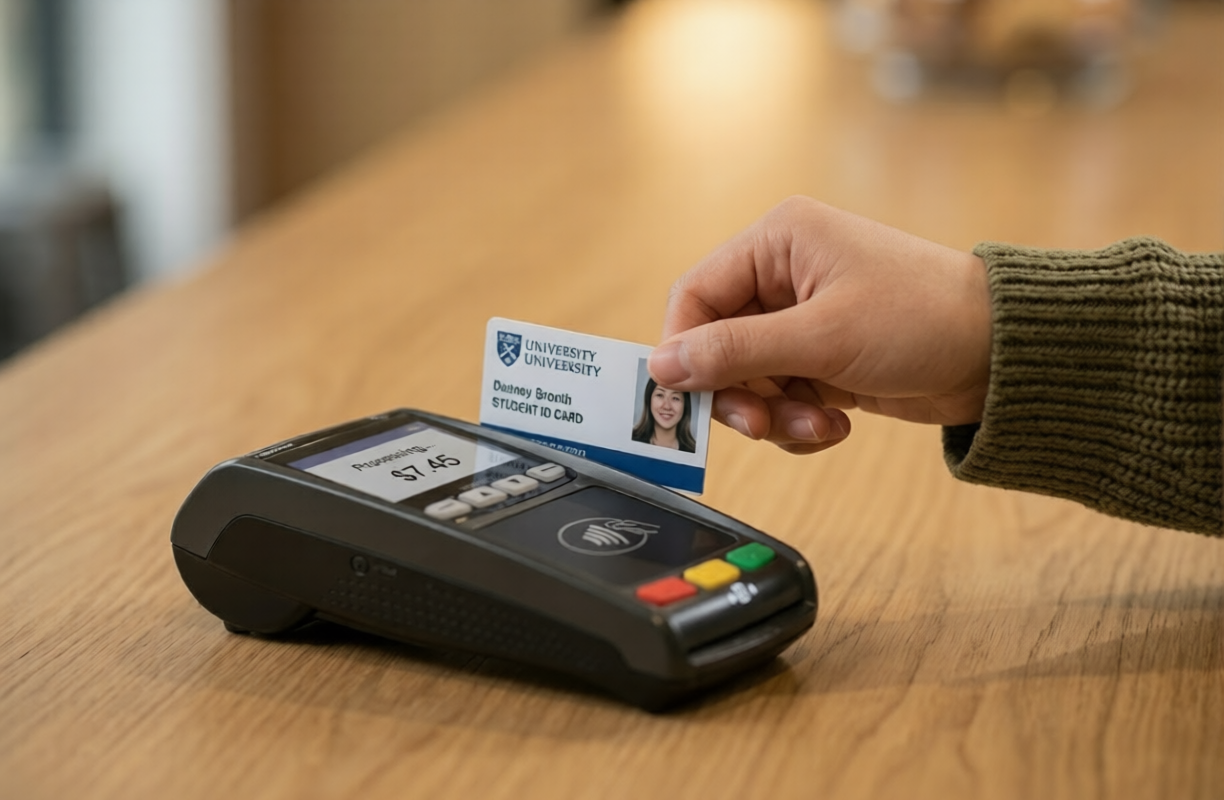
2. Use Your Student ID Like It Is a Credit Card
Most Pakistani students get their university ID card and use it only to enter the campus. Big mistake. That card is practically a discount pass to the entire city.
Student discounts abroad are not a small thing; they are built into the system. Public transport passes for buses, trams, and trains are significantly cheaper for students. Museums, cinemas, restaurants, and even some airlines offer student rates. The International Student Identity Card (ISIC) takes this even further and unlocks deals at thousands of places worldwide, including discounted flights.
Brands like Apple, Microsoft, Nike, Spotify, and Amazon Prime all offer student discounts or special pricing. Many of these are available online; you just need a valid university email address to verify. If you are paying full price for any of these, you are simply leaving money on the table.
Make it a habit: every time you visit a new shop, restaurant, or attraction, ask, "Do you have a student discount?" The answer will surprise you more often than not.
3. Cook at Home: Yes, Even Pakistani Food
This one sounds obvious, but it is where most students lose control of their budget within the first few weeks. The excitement of being in a new country makes you want to eat out constantly, explore restaurants, and try everything. Your bank account does not share that excitement.
Eating out every day abroad can cost you anywhere from £10 to £20 per meal in the UK, which translates to thousands of rupees daily. Students who have been through this will tell you cooking at home is not just cheaper, it is actually better
Pakistani students have a natural advantage in this regard. Rice, lentils, chickpeas, and basic spices are available in almost every country at very affordable prices, especially in local Asian grocery stores. Cooking daal chawal or khichdi costs a fraction of a restaurant meal and keeps you going through long study days.
The strategy that works best is batch cooking, preparing large amounts on the weekend, so you have meals ready for the entire week. It saves time and money.
4. Choose Accommodation Wisely. Sharing Is Always Smarter
Housing is the single biggest expense for any student abroad. This is where your monthly budget either survives or collapses. University dormitories are usually the most affordable option, especially in the first year, because they are close to campus and often include utilities in the rent.
If you move off campus, always go for a shared apartment. Splitting rent with two or three other students makes a massive difference. A flat that costs £1,200 a month in London becomes £300 per person when split four ways, a completely different situation.
Pakistani student communities abroad are actually very helpful here. Facebook groups, WhatsApp communities, and university international student forums are full of listings shared by Pakistani students looking for flatmates. These are more trustworthy than random listings and often come with the added comfort of sharing a space with someone who understands your culture.
One more tip: avoid renting in expensive tourist areas. A slightly longer commute from a cheaper neighbourhood can save you hundreds every month.
5. Work Part-Time But Know the Rules First
This is both a saving hack and an earning hack. Most student visas allow you to work a certain number of hours per week. For example, UK student visas allow up to 20 hours per week during term time. Canada allows similar hours on a study permit. Germany, Australia, and several other countries have their own rules.

Part-time work on or near campus as a library assistant, research helper, café worker, or tutor covers your daily expenses without completely taking over your study schedule. Some universities also have paid positions specifically for international students.
For those who cannot work due to visa restrictions, there is still the option of tutoring, online freelancing, or participating in paid university research studies. These are flexible and can be done around your class schedule.
The key is to know your visa rules before you start working. Breaking those rules can create serious legal problems. Check your visa conditions carefully or ask your international student office for guidance.
Final Word Plan Before You Land
The students who struggle financially abroad are almost always the ones who did not plan. The ones who do well financially are not necessarily richer; they are just smarter about the small decisions.
Open that local bank account early. Flash your student ID everywhere. Cook more than you eat out. Find good housemates. Work within your visa limits. These are not complicated strategies; they are habits that the most successful Pakistani students abroad have already built into their daily lives.
Bahar padhna is one of the best decisions you can make for your future. Make sure the money side of it does not become the reason you regret it.
Ready to Study Abroad Without the Financial Stress?
At EDU Advance, we help Pakistani students find the right university, the right country, and the right funding options—so you can focus on your future, not just your budget. Book a free consultation with our experts today and take the first step toward your international education journey.
Questions Pakistani Students Always Ask Us
Can Pakistani students really manage expenses abroad without family support?
Yes, and hundreds of students are actually doing this. But for that, you have to put in some extra effort. With part-time work, scholarships, and smart budgeting, students cover most of their daily living costs on their own.
Which country is most affordable for Pakistani students to study in?
For Pakistani students, Germany remains the most affordable country to study abroad. And the reason is no tuition fee and a reasonable cost of living.
Is it hard to find halal food abroad as a Pakistani student?
Hundreds of halal food restaurants are available in all European countries, so finding halal food isn't difficult at all.